

Beginner Boondocking Checklist: What You Need Off Grid
Plan a first boondocking trip with a practical checklist for power, water, waste, safety, communications, and a low-risk shakedown strategy.
5 min read
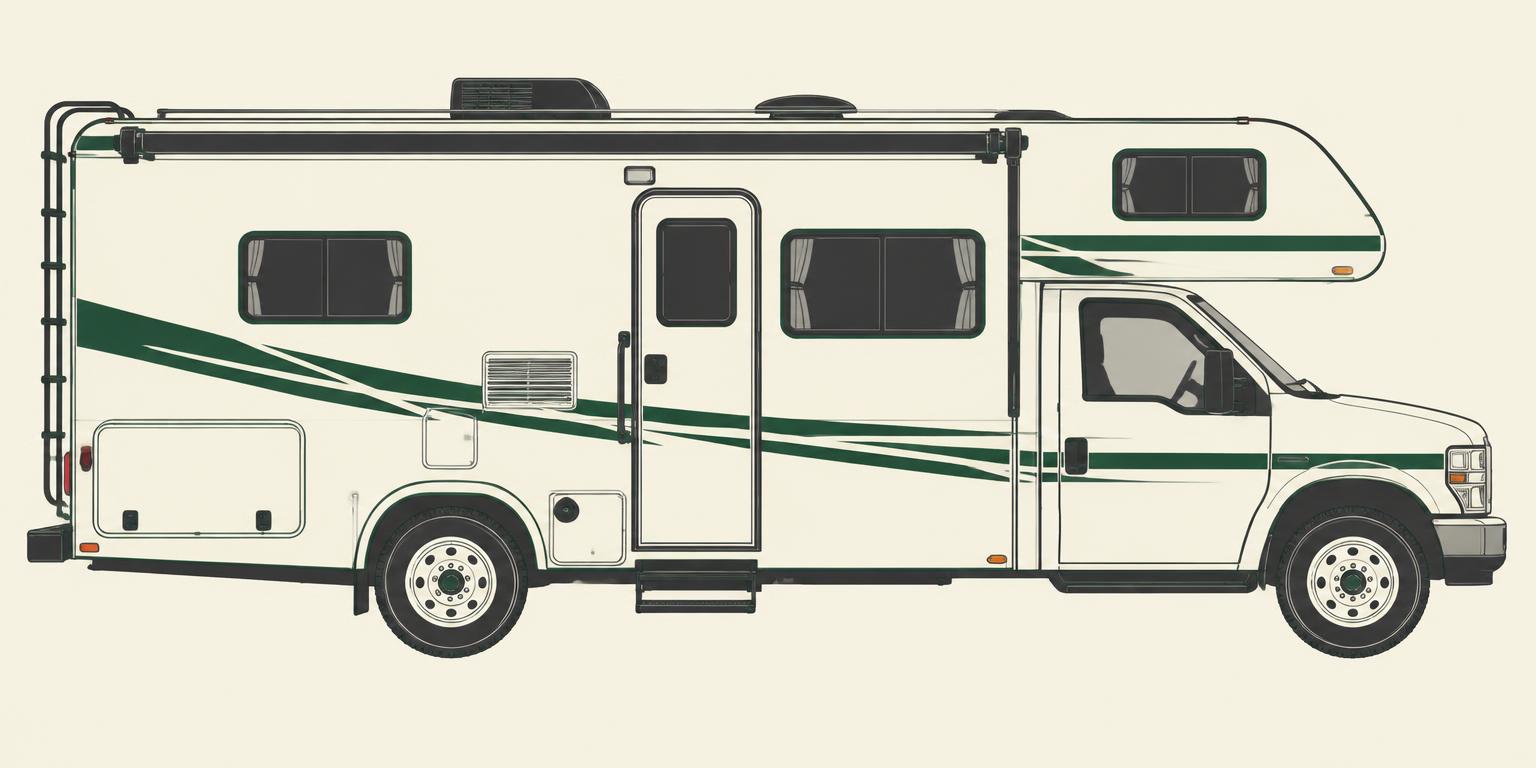
Boondocking means camping without the full utility hookups you would find at a developed RV site. The scenery and freedom are appealing, but the tradeoff is simple: every watt, gallon, and tank has to be managed by you.
A beginner does not need to build an expedition vehicle before spending one night off grid. The safer path is to understand your limits, choose a legal and accessible location, and run a short test close to services. This checklist focuses on the systems that change when the pedestal, spigot, and sewer connection disappear.
Know the rules and the road before buying gear
Confirm that overnight camping is allowed at the location and learn the stay limit, fire restrictions, waste rules, and access conditions from the land manager. Online reports can become outdated after rain, snow, construction, or seasonal closures.
Check the road against your rig’s length, height, ground clearance, weight, and turning needs. A campsite pin does not prove that a fifth wheel or motorhome can reach it. Tell someone where you plan to stay and when you expect to return to coverage.
For a first trip, choose a site with a reliable exit, moderate weather, and a nearby fuel, water, and dump option. Arrive in daylight.
Start with an energy budget, not a solar catalog
List the equipment that must run: lights, water pump, refrigerator controls, furnace blower, fans, phones, medical devices, and any inverter-powered appliances. Record each load’s watts and estimated hours of use. Watt-hours are calculated by multiplying watts by hours.
For example, a 40-watt load running for five hours uses about 200 watt-hours. Real systems have losses, and batteries should not always be discharged to their full nameplate capacity, so treat a paper calculation as a starting estimate.
A portable power station is convenient for smaller rigs and short trips. The October 2026 research snapshot listed an EcoFlow Delta 2 with 1,024 watt-hours of nameplate storage at about $699 list and a Jackery Explorer 1000 v2 at roughly $799 list. Sale prices can be much lower, so verify current pricing.
A generator provides dependable power when fuel is available. A Honda EU2200i was roughly $1,099–$1,199 in the research snapshot. It may be useful for charging batteries or supporting higher loads, but generator hours, noise rules, fuel storage, carbon monoxide, and fire conditions all matter. Never operate a generator inside an RV, compartment, tent, or near an opening where exhaust can enter.
Solar replenishes a battery rather than directly solving every high-load demand. The source research listed a Renogy 200-watt Essential kit at $289.99 and a 400-watt Starter kit from $394.99. Output varies with sun angle, shade, season, temperature, controller limits, and installation. Nameplate watts are not guaranteed all-day production.
Water is usually the fastest limit
Begin with the known capacity of the fresh, gray, and black tanks. Track actual use during a driveway test or full-hookup trip. Drinking, cooking, handwashing, showers, and dishwashing all draw from the same supply unless you carry separate water.
One U.S. gallon of water weighs about 8.34 pounds. Twenty extra gallons add roughly 167 pounds, so carrying more water is also a payload decision. Stay within the RV’s ratings and secure portable containers for travel.
Bring a drinking-water-safe hose and filtration suited to the source, but do not assume an inline taste-and-sediment filter makes unknown water microbiologically safe. Fill from a trusted source. Conserve by using a basin for dishes, taking short showers, and fixing leaks before departure.
Your gray tank may fill before the fresh tank runs dry. Never dump gray or black water on the ground unless a specific authority explicitly permits it; rules vary, and black-water dumping is generally prohibited outside approved facilities.
Pack recovery and safety equipment for the environment
Carry the day-one basics: first-aid kit, charged fire extinguisher, working smoke and carbon-monoxide alarms, flashlight, weather-appropriate clothing, basic tools, spare fuses, tire gauge, and a verified spare-tire plan.
Add equipment for the location rather than a generic “overland” shopping list. Soft desert ground may call for traction boards and a shovel. Cold weather may require a plumbing plan and more battery capacity because the furnace blower runs frequently. Hot weather may make a no-air-conditioning campsite unsafe for people or pets.
Do not rely on an RV air conditioner running from a small battery system without calculating the load. Air conditioning can consume far more energy than lights, phones, or a water pump.
Plan communications before losing service
Download maps and site information for offline use. A cell booster can improve an existing weak signal, but it cannot create service where none exists. The research snapshot listed a weBoost Drive Reach RV II at about $550, which is a significant purchase to make only after confirming your travel pattern.
For remote travel, consider a satellite communicator and learn how to use its check-in and emergency functions. Keep navigation and communication devices charged independently of the RV if possible.
Use a two-night shakedown to size the system
A short test reveals more than a long shopping list. Start with full batteries, measured fresh water, and empty waste tanks. Record battery state, water use, tank levels, temperature, and the loads you ran at the same time each day.
At the end, identify the first constraint. If the battery reached its limit while the tanks still had capacity, improve energy use or charging. If gray water filled first, changing dishwashing and shower habits may buy more time than installing larger batteries. If connectivity failed but you did not need it, you may not need an expensive booster.
Boondocking rewards systems thinking. Buy the smallest reliable setup that supports the trip you actually take, then expand from measured experience.
Build your off-grid starter list. Use the free planner at rvkitcheck.com and choose “Boondocking” to add power, solar, water, and recovery considerations to your personalized checklist.