

Do You Need an RV EMS? 30-Amp vs. 50-Amp Explained
Learn what an RV electrical management system does, why it is more than a surge protector, and how to choose the correct 30-amp or 50-amp model.
6 min read
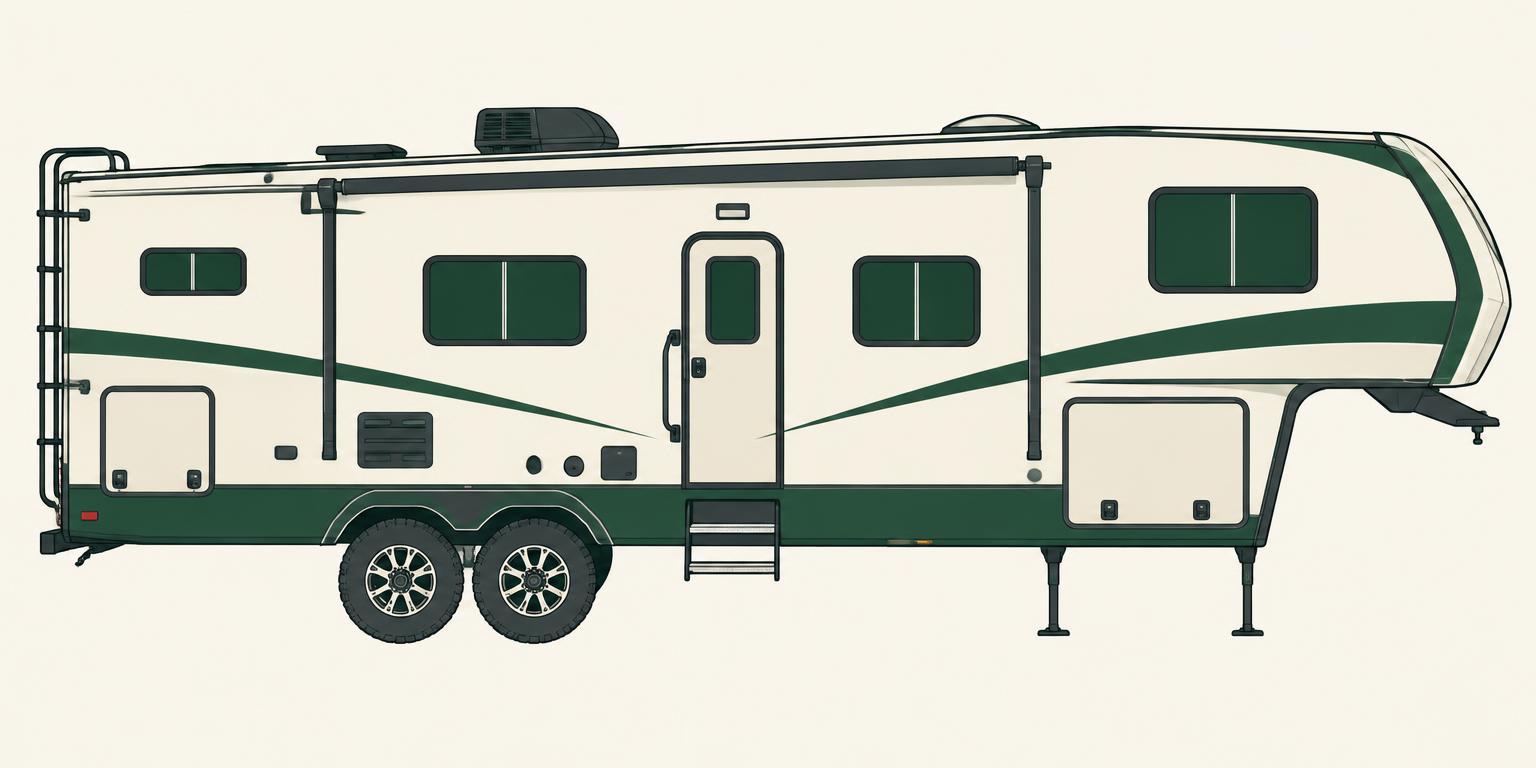
If you ask experienced RV owners which accessory they would buy before plugging into an unfamiliar campground pedestal, an electrical management system is likely to appear near the top of the list. It is easy to dismiss this equipment as an expensive surge strip. That description misses the main reason people carry one.
A proper RV electrical management system, or EMS, checks incoming power and can disconnect the RV when it detects certain unsafe conditions. It cannot prevent every electrical failure, but it adds a layer of protection between a questionable pedestal and the appliances and electronics inside your rig.
An EMS does more than absorb a voltage spike
A basic surge protector is designed mainly to absorb short voltage spikes. An EMS may also monitor high or low voltage, open ground, reverse polarity, and other wiring faults, depending on the model. If a condition falls outside the device’s operating limits, it can delay or interrupt power to the RV.
That matters because campground pedestals live outdoors and serve many rigs. Connections can be worn, miswired, overheated, or affected by heavy demand. Low voltage, for example, can be hard on air-conditioner motors. The EMS is not a substitute for inspecting a pedestal, but it can provide information that your eyes cannot.
Always read the specifications for the exact device. “Surge protector” and “EMS” are often used loosely in product listings, and two products with similar plugs may offer very different protection.
First, identify whether your RV is 30 amp or 50 amp
The correct unit must match the RV’s shore-power service. A 30-amp RV commonly has a three-prong plug. A 50-amp RV commonly has a four-prong plug. The label near the shore-power inlet, the main breaker panel, or the owner’s manual should confirm the rating.
Do not choose based only on the size of the RV. Many travel trailers use 30-amp service, while larger fifth wheels and Class A motorhomes often use 50-amp service, but there are exceptions. Check the rig itself.
The difference is larger than the names suggest. In typical North American RV service, 30-amp power provides one 120-volt hot leg, for a theoretical maximum of about 3,600 watts. A 50-amp RV connection provides two 120-volt hot legs rated at 50 amps each, for a theoretical maximum of about 12,000 watts. Those are electrical capacity calculations, not a promise of usable continuous output at every campsite.
Buy the EMS that matches the RV, not the pedestal
A 30-amp rig should use a 30-amp EMS. A 50-amp rig should use a 50-amp EMS. In the project research snapshot, the portable Progressive Industries EMS-PT30X was about $160 and the EMS-PT50X was roughly $186. Those October 2026 figures are estimates for planning; verify the current price and availability before publishing a recommendation.
Using an adapter does not change the RV’s native service. If a 50-amp rig connects to a 30-amp pedestal through a suitable adapter, the rig still needs protection appropriate to its 50-amp cord arrangement, but its available power is limited by the 30-amp source. You will need to manage loads and may not be able to run multiple high-draw appliances at once.
Likewise, plugging a 30-amp rig into a 50-amp pedestal with the correct adapter does not transform the rig into a 50-amp system. Its main breaker and wiring remain 30 amp.
Portable and hardwired units solve the same problem differently
A portable EMS plugs into the pedestal before the RV cord. It is easy to move between rigs and does not require installation. The tradeoffs are weather exposure, the possibility of theft, and one more object at the pedestal. Use the weather cover and locking method recommended by the manufacturer.
A hardwired EMS is installed inside the RV’s electrical path. It is protected from weather and cannot be left behind, but installation is more involved. A full-time traveler may prefer that permanence. A first-time owner who wants a simple, reversible purchase may find a portable unit easier.
Electrical work can create shock and fire hazards. If a hardwired installation is outside your skills, use a qualified RV technician or electrician familiar with RV systems.
A safe pedestal routine takes less than a minute
Turn the pedestal breaker off before connecting. Inspect the receptacle for scorching, looseness, damage, or moisture. Plug in the EMS, switch the breaker on, and let the device complete its test or delay cycle. Read the display or indicator codes before connecting the RV cord, following the product manual.
Safety clarification: After checking the EMS display, switch the pedestal breaker off again before inserting the RV cord. Check that the connections are secure, then restore power and wait for the EMS to pass power according to its manual. Allow the full test and delay time; it can exceed one minute depending on the model and conditions.
If the EMS reports a fault, do not bypass it simply because you want to start camping. Turn the breaker off and contact the campground. Ask for another site or for maintenance to inspect the pedestal. The inconvenience is smaller than the cost of damaged equipment.
When disconnecting, turn off large RV loads, switch off the pedestal breaker, unplug the RV cord, then remove the EMS. This reduces arcing and keeps the routine consistent.
An EMS is protection, not permission to ignore load limits
The device does not make an overloaded circuit acceptable. Learn the approximate draw of the air conditioner, electric water heater, microwave, space heater, and other high-demand equipment. On a 30-amp hookup, running several at once can trip a breaker even when the pedestal is correctly wired.
An EMS also cannot repair worn plugs, undersized extension cords, loose RV connections, or internal wiring problems. Inspect cords for heat damage and use only RV-rated equipment of the correct capacity.
For most new owners who regularly connect to campground power, an EMS is a sensible day-one purchase. The important decision is not whether a 30-amp or 50-amp model sounds stronger. It is which one matches the electrical system you actually own.
Get the right electrical item in your kit. Use the free planner at rvkitcheck.com to match the EMS and adapter recommendations to your rig and camping style.