

7 RV Essentials Your Dealer May Not Include
Do not assume the dealer starter bundle covers everything. Verify these seven electrical, water, sewer, leveling, and safety essentials before your first trip.
6 min read
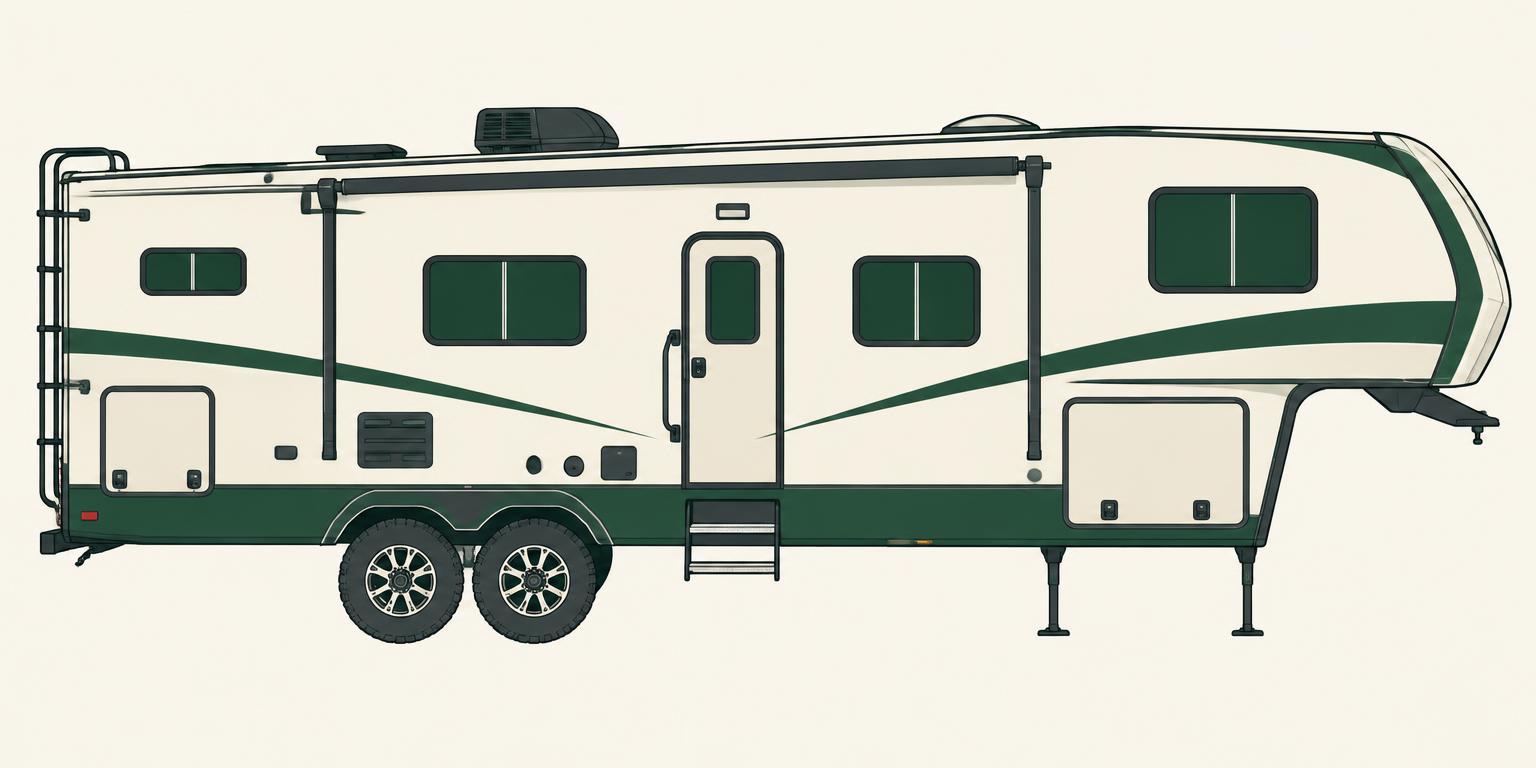
A dealer may hand you a hose, a small starter bucket, or a credit for the parts store when you pick up a new RV. That is helpful, but it is not a standard. One delivery package may include a basic sewer hose and pressure regulator; another may include almost nothing beyond the equipment permanently installed on the rig.
Treat the handoff as an inspection, not proof that you are ready for the first campsite. Ask for an itemized list, open every package, and verify these seven essentials yourself.
1. An EMS matched to your electrical service
An RV electrical management system sits between the campground pedestal and the RV. Depending on the model, it may protect against voltage problems, open ground, reverse polarity, and surges. A simple adapter or extension cord does not provide the same protection.
The device must match the RV. A 30-amp rig needs a 30-amp EMS, and a 50-amp rig needs a 50-amp EMS. In the project’s October 2026 research snapshot, the portable Progressive Industries EMS-PT30X was about $160, while the EMS-PT50X was roughly $186. Verify current prices and specifications before publishing.
Look near the shore-power inlet or in the owner’s manual to identify the service. Do not guess from the length or appearance of the RV.
2. A drinking-water-safe hose
The hose used for the RV’s city-water inlet or fresh-tank fill should be rated for potable water. A regular garden hose may introduce taste or materials not intended for drinking-water use.
A 25-foot Camco TastePURE hose was approximately $23–$30 in the research snapshot. Length matters: too short and you cannot reach the spigot; unnecessarily long hoses are harder to drain and store. Some travelers eventually carry a second section, but one practical hose is enough to begin.
Store it capped and separate from all sewer equipment.
3. A water pressure regulator
Campground water pressure varies. A regulator limits incoming pressure and helps protect the RV’s plumbing. It belongs at the source so the potable hose and RV remain downstream of regulated pressure.
A basic brass Camco regulator was roughly $20–$30 in the research snapshot. Adjustable regulators with gauges provide more control, but beginners should first understand the correct pressure range specified by the RV manufacturer.
Do not confuse an inline water filter with a regulator. The filter treats certain water-quality concerns; the regulator controls pressure. Many setups use both.
4. A complete sewer-hose kit
A dealer bundle may contain a short, thin sewer hose without the fittings or length your campsite requires. Before the trip, connect the kit at home without opening any tank valve. Confirm that the bayonet fittings lock, the outlet elbow fits common campground connections, the caps are present, and the hose reaches without being stretched tight.
The Camco RhinoFLEX 20-foot kit was roughly $51–$80 in the October 2026 research. Add disposable gloves and a dedicated sealed storage location. Some campgrounds require a hose support to keep the line off the ground.
Keep the black-tank valve closed until you are ready to dump. Follow the RV and campground instructions rather than leaving it open throughout the stay.
5. Leveling blocks and wheel chocks
Leveling blocks raise the low side of the RV. Wheel chocks prevent the RV or trailer from rolling. A dealer may include one and omit the other, but they are not interchangeable.
Product clarification: Camco’s standard leveling-block set contains 10 blocks. Its 12-piece leveling and stabilizing kit contains 10 blocks, one chock, and a storage bag; it is not a pack of 12 blocks. Confirm the exact package contents when comparing the historical price estimate above.
The research snapshot listed a 12-pack of Camco leveling blocks at about $52 and basic chocks at roughly $6–$15. For tandem-axle trailers, X-chocks may reduce movement later, but standard ground chocks are still necessary.
Chock a trailer before unhitching. Use stabilizer jacks only as their manufacturer intends; many are not designed to lift or level the RV.
6. A verified fire extinguisher and alarm check
An RV may have a fire extinguisher installed, but “present” is not the same as ready. Check the gauge or indicator, condition, mounting, accessibility, and expiration or service guidance. The project research listed a Kidde RV extinguisher rated 1-A:10-B:C at about $33–$43.
Test smoke, carbon-monoxide, and propane alarms. Learn their replacement dates and battery requirements. Do not cover or disable an alarm because it reacts to cooking. Improve ventilation and address nuisance triggers safely.
Everyone traveling in the RV should know where the extinguisher and exits are. A safety item buried behind cargo is not useful.
7. A first-aid and basic repair kit
A compact first-aid kit handles minor cuts, burns, and common campsite injuries while you decide whether professional care is needed. The First Aid Only 298-piece kit appeared at roughly $19 in the research snapshot, but the best kit is one you understand and keep stocked.
Add basic tools that match the rig, spare fuses, a flashlight, work gloves, duct tape, zip ties, and the equipment needed for your tire and roadside plan. Verify the spare tire, jack, and lug wrench instead of assuming they are onboard or suitable.
Prescription medications, emergency contacts, allergy information, and supplies for children or pets must be personalized; no retail kit can do that for you.
Ask the dealer these questions at delivery
Request a demonstration of the shore-power inlet, breaker panel, water inlets, water heater bypass, fresh-tank drain, waste valves, stabilizers or leveling system, alarms, spare tire, and emergency exits. Record the walkthrough if the dealer permits it.
Ask which starter items are included, which are temporary samples, and which model or capacity is required for replacements. Then compare the answers with the manuals. A rushed delivery is not the time to rely on memory.
Keep the first purchase focused
You can wait on the outdoor rug, premium grill, cell booster, elaborate organizers, and upgraded mattress. The seven categories above protect the rig, connect essential utilities, and cover basic emergencies. They earn space before comfort accessories do.
Dealer packages vary, and that is the point. A personalized checklist should begin with your rig and camping style, not with whatever happened to be in a promotional bucket.
Check your dealer bundle against your real needs. Use the free planner at rvkitcheck.com to generate a list for your rig type, amperage, camping style, trip pattern, and travelers.