

RV Tire Safety for Beginners: TPMS, Pressure, and Inspections
Learn how to check RV tire pressure, what a TPMS can and cannot do, and how load, heat, age, inspections, and roadside planning work together.
5 min read
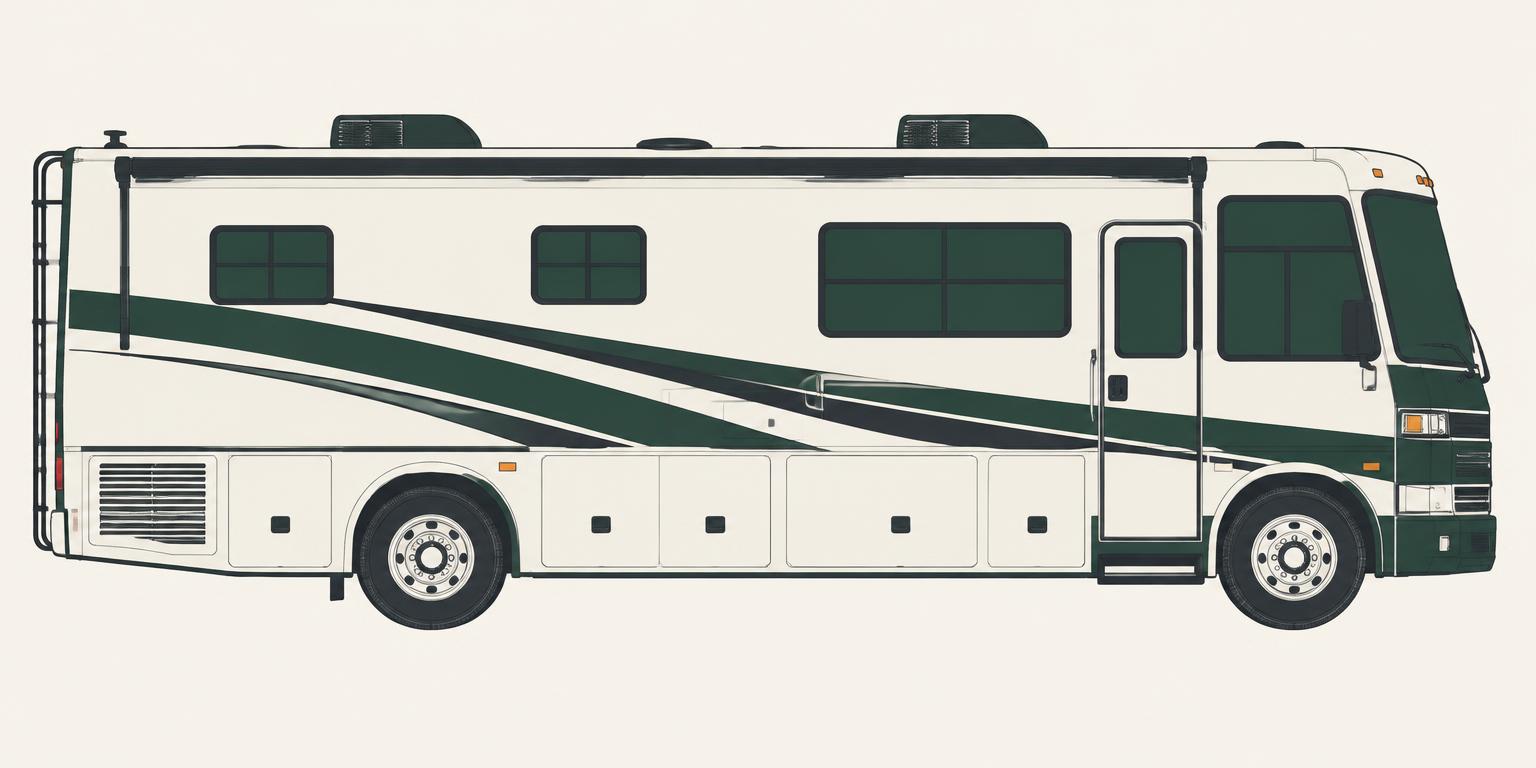
RV tires carry unusual loads, sit unused for long periods, and operate in heat that can change pressure quickly. A tire-pressure monitoring system, or TPMS, can warn you when a tire’s pressure or temperature moves outside the thresholds you set. It is useful, especially for trailers whose tires the driver cannot feel directly.
It is not a substitute for checking cold pressure, inspecting the tires, knowing the load, or having a roadside plan. Tire safety works as a system.
Start with the correct pressure source
For a motorhome, use the vehicle and tire manufacturers’ load-and-inflation guidance. For a trailer, use the trailer manufacturer’s placard and tire information, adjusted only when supported by actual axle weights and the tire maker’s tables. The maximum pressure molded into a tire sidewall is not automatically the correct operating pressure for every RV and load.
“Cold” pressure means the tire has not been driven and has not been heated significantly by the sun. Check before travel, not immediately after highway driving. Pressure normally rises as a tire warms. Do not release air from a hot tire merely to return it to the cold setting.
Use a reliable gauge and check the inner and outer tires on dual-wheel motorhomes. Inspect valve stems and extensions for leakage or damage.
A TPMS provides warning while you drive
External TPMS sensors screw onto the valve stems. Internal systems place sensors inside the tire. Both can display pressure, and many also report temperature. The system may alert for rapid leakage, high or low pressure, high temperature, or loss of signal.
The project’s October 2026 research snapshot listed the TST 507 four-sensor system at about $215 and a TireMinder i10 four-sensor system at roughly $319. Those are historical planning estimates. Confirm current models, sensor count, repeater requirements, warranties, and prices.
A towable may need a signal repeater because the sensors sit far behind the monitor. A motorhome towing a car may need enough sensors and range for both vehicles. Buy the configuration that covers every tire you intend to monitor, including a spare only if the system and your plan support it.
Set alerts from trusted guidance
A TPMS is only as useful as its settings. Factory defaults may not match your tires. Set pressure and temperature alerts using the TPMS instructions, tire guidance, and RV recommendations. Avoid copying another owner’s numbers when their rig, load, tire size, and system may differ.
Test the display and sensors before departure. Confirm that every position reports correctly. Replace sensor batteries on the recommended schedule and carry spares if appropriate. Metal valve stems may be recommended for certain external sensors because of their weight; follow the TPMS and wheel guidance.
Inspect more than the tread
Before every travel day, look for cuts, bulges, cracking, objects in the tread, irregular wear, and damage near the valve stem. Check that lug nuts and wheels receive the inspection and torque procedure specified by the chassis, axle, or wheel manufacturer.
Tread depth alone does not tell the full story. RV tires may age out before they wear out because they spend long periods parked. Find the tire date code and follow the tire and RV manufacturers’ age, inspection, and replacement recommendations. Sun exposure, storage, underinflation, overloading, impact damage, and heat all affect service life.
If a tire has been run severely underinflated, inflating it again does not prove that its internal structure is safe. Have it inspected by a qualified tire professional.
Load is part of tire pressure
The tire carries the RV, not the brochure’s empty weight. Water, batteries, propane, tools, food, cargo, accessories, and passengers add load. A trailer’s tongue or pin weight and a motorhome’s axle distribution also matter.
Weigh the loaded RV at a suitable scale. Axle weights are better than guesses; individual wheel-position weights provide more detail when available. Compare the results with the gross vehicle weight rating, gross axle weight ratings, tire capacities, and hitch ratings.
Do not solve an overload by simply adding pressure beyond the tire or wheel limits. Remove or redistribute cargo within the manufacturer’s rules.
Heat and speed expose weak setups
Underinflation can increase flexing and heat. Overloading and excessive speed can do the same. Hot pavement and ambient temperature add stress. Stop safely if the TPMS reports a rapid pressure loss, an unusual temperature rise, or a large difference between comparable tires.
Do not stand beside a traffic lane to investigate. Move to a safe location if the tire condition allows, use hazard equipment, and call roadside assistance when the shoulder or vehicle size makes a change unsafe.
A TPMS may alert after a problem begins; it cannot prevent a puncture, impact, bearing failure, or every blowout.
Prepare a roadside plan before the first trip
Verify that the spare tire is present, properly inflated, accessible, and compatible. Confirm that the jack and lug wrench are rated and usable for the RV. Many owners should not change a large RV tire on the roadside; a suitable assistance plan may be the safer choice.
Carry the RV’s location and dimensions, tire size, wheel information, and roadside-assistance details where they are easy to reach. Cell coverage is not guaranteed, so download information and tell someone your route.
Use a five-minute departure routine
Check cold pressures with a gauge. Turn on the TPMS and confirm every sensor. Walk around the RV to inspect tires, wheels, leaks, steps, jacks, doors, hitch connections, lights, and cargo. Look underneath for objects or animals. After a short distance, stop in a safe place and recheck the hitch and visible tire condition, especially after maintenance or a wheel change.
The TPMS is valuable because it watches while you cannot. The owner’s job is to give it correctly inflated, properly loaded, inspected tires to watch.
Add tire safety to the right stage of your kit. Use the free planner at rvkitcheck.com to see which roadside and TPMS items fit your rig and travel pattern.