

Renting an RV Without Hookups: Check the Vehicle and Campsite Before Booking
Before renting an RV without hookups, compare cooling, power, water, waste service and access rules. Includes a booking worksheet and drive/delivery examples.
By RV Kit Check10 min read
References & reading tools updated
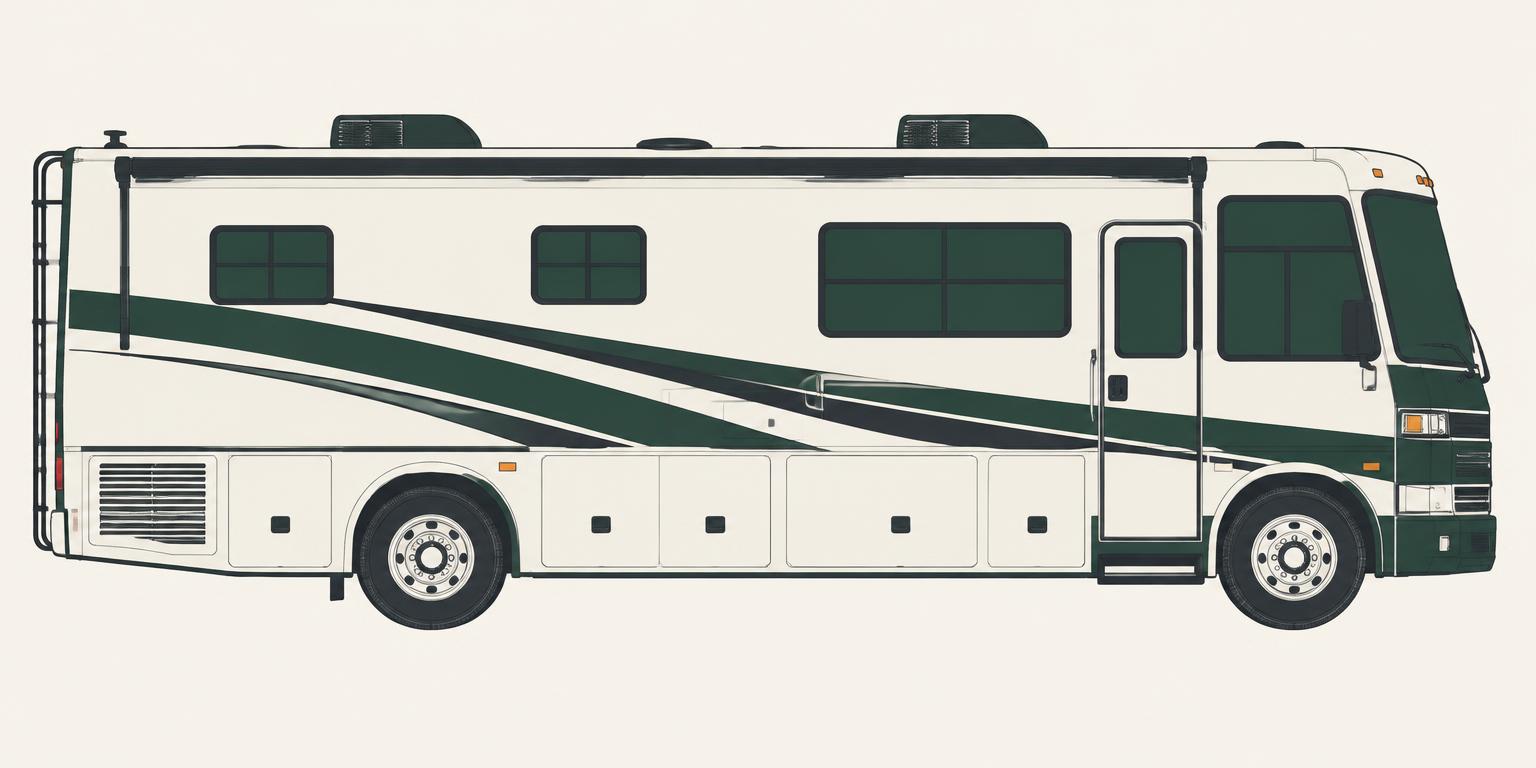
You can consider an RV rental without hookups, but a listing that says generator, solar or self-contained is not enough to confirm your trip. Compare the exact vehicle, the reserved pitch and the times you need its systems to work before paying for either booking. A rental with enough beds can still be a poor match for your planned stay.
This guide helps you identify missing answers and decide whether to keep planning, change the campsite or consider another vehicle. It does not inspect the RV, approve a booking or promise a number of off-grid nights. Keep the host's and campground's actual confirmations with your reservation.
Start with five checks before you book
Write down the activities you expect from the rental: sleeping comfortably, keeping food cold, charging devices, cooking and using water. Then complete the checks below for the actual dates and location. An unanswered point belongs in your host or campground message; it is not an assumed yes.
Swipe the table to see all columns.
| Check | Confirm for this vehicle and pitch | If the answer does not fit |
|---|---|---|
| Cooling and heating | Which equipment works during the hours you need it, including generator-restricted periods? | Change the site, travel dates or vehicle plan if no permitted arrangement meets your needs. |
| Power between charging periods | Which loads use batteries, which outlets need AC power, and what monitoring/recharging plan is available? | Resolve unknown equipment and capacity with the host before relying on it. |
| Water and wastewater | Usable water system, agreed supply, waste capacity and approved refill/disposal arrangements for the group and duration. | Arrange a verified service or stop, shorten the stay or choose suitable hookups. |
| Generator and fuel | Whether a generator is supplied, permitted hours, operating instructions, fuel access and booking charges. | Do not depend on a generator that is absent, prohibited or cannot be serviced as planned. |
| Route and delivery access | The rental permits the route and intended use; the site accepts this RV and any delivery/service/collection visits. | Resolve permissions or choose another arrangement before committing. |
No hookups is different from no sewer
No hookups describes a pitch without electricity, a water connection or sewer beside the RV, often called dry camping. There may still be a shared potable-water fill point, dump station or bathhouse elsewhere. Verify each facility and its opening or seasonal availability instead of assuming the campground name describes every pitch.
A developed campground without hookups still has reservation and operating rules. A festival may sell different RV packages with different connections and access permissions. Dispersed camping adds separate land-use and route questions. None of these labels means you may park anywhere or take a rental onto any road. A water-and-electric pitch without sewer is another case: fresh water can remain available while waste storage is still limited.
Match cooling and heating to the hours you need them
Ask the host to identify the living-area air conditioner separately from cab cooling while driving. Find out which power source runs it on this vehicle. Many rental systems need shore power or a suitable generator for major AC loads; a fitted inverter may power only selected circuits, within its rating and battery limits. A solar panel on the roof does not establish overnight air-conditioning capability.
Check generator hours with the campground for your dates. As a location-specific example checked October 18, 2026, Joshua Tree National Park lists generator windows of 7–9 a.m., noon–2 p.m. and 5–7 p.m. Those are that park's rules, not a national schedule. If your proposed vehicle requires its generator for cooling overnight, that arrangement does not match those permitted hours. Resolve the mismatch rather than planning to run it anyway.
Cold conditions need their own conversation. A propane furnace can still require battery power for its controls and blower. Ask what supports the actual heating equipment between permitted charging periods, and agree what to do if the plan cannot meet the conditions. This page cannot determine a safe overnight temperature or certify a system for an individual's needs.
Ask what keeps working when the generator is off
Have the host identify the refrigerator type, its operating mode and the controls it needs. Do the same for lights, the water pump, charging points and the devices you intend to bring. A wall outlet that worked during a plugged-in walkthrough may not work on batteries alone. An appliance described as propane-powered may still need electricity for its controls.
Ask for the actual battery arrangement, usable condition, inverter limits if fitted, how to monitor the system and how it will be recharged. A generic solar or battery calculation is not a measurement of this rental. There is no reliable one-battery-equals-two-nights answer without the equipment, use, conditions and charging plan. Do not assume permission to replace batteries or install solar on a rented RV.
Check the generator, fuel plan and charges separately
Confirm that the exact unit and package include a generator; rental fleets and individual listings differ. Ask whether it is built in or portable, what it can supply, who may operate it and where the instructions are. Generator access in the rental agreement does not override a campground's restrictions.
Ask how usage is metered and billed, what fuel is required and who arranges any permitted refueling. Some installations stop drawing fuel below a reserve level; have the host explain this vehicle's limits rather than assuming a universal quarter-tank cutoff or a fixed gallons-per-hour figure. For a stationary stay, verify how fuel can be supplied without moving the RV and whether the venue restricts fuel containers.
Generator exhaust can cause carbon monoxide poisoning. For portable units, CPSC advises outdoor operation at least 20 feet from homes/buildings, with exhaust directed away from doors, windows and vents. Have the provider explain an arrangement that meets the equipment instructions and site rules around your RV and neighboring units. Never run a portable generator inside an RV or another enclosed space. Built-in generators have their own installation and operating instructions; do not apply portable-unit placement rules as a substitute for them.
Plan usable water and waste service for the whole stay
A fresh-water tank can supply an RV that has no water connection at the pitch, provided the actual system is available and operated as instructed. Ask the host to identify the correct potable fill and pump controls, the agreed starting supply and the refill plan. A waste-flush connection is not a fresh-water fill. Follow the provider's drinking/cooking-water guidance; do not assume a tank labelled fresh has a verified drinking-water supply.
Check the actual fresh, gray and black capacities, or the alternative toilet/waste arrangement fitted to this vehicle. Group size, showers, dishes and use of shared facilities affect demand, so a universal number of showers or days would be misleading. Agree on monitoring and when to request service. For road trips, confirm an approved stop, RV access and time to reach it. For a delivered RV, a nearby dump station is not a service plan if the RV must remain parked.
In freezing conditions, ask the rental branch or host whether this specific RV is winterized and which water facilities are usable on your dates. A toilet and shower shown in listing photos do not establish that those systems will be available in winter. Have the provider explain any approved alternative; do not refill or de-winterize the system yourself based on a general article.
How long can a rental RV go without hookups?
There is no fixed number of nights that applies to every rental. The limiting factor might be battery energy, permitted generator use and fuel, fresh water, waste storage, or a system unavailable in the expected weather. A large fresh-water tank does not solve a battery or wastewater constraint.
Ask the host to explain the plan for your group, intended appliance use and length of stay, including the next verified charging/refill/service opportunity. If an essential limit remains unknown, keep the booking decision open or choose an arrangement that removes that dependency. Do not convert a generic battery or solar estimate into a promised rental runtime.
Check route permission and delivery access before paying
Send the rental provider the proposed route and destination, including unpaved access where relevant. Confirm permitted use, vehicle fit and the current support arrangements for that route. Do not treat an old article's roadside-distance limit as your booking's coverage or assume permission because another renter used the same road.
For delivery, ask the venue whether the driver needs a ticket, wristband, permit or approved appointment, and confirm access for refills, pump-outs and collection as well as arrival. A host offering delivery does not establish permission to enter an event. For example, Electric Forest's Basic Rules page says people without a wristband cannot enter its grounds; check the current rules and your exact package with the organizer. That example does not define other events' rules.
If the only proposed workaround requires you to drive or tow a rental that was booked for a stationary stay, stop and resolve the booking and handover arrangements first. Do not improvise movement, fueling or tank servicing to get around a missing permission.
Three examples of changing the plan before booking
These are illustrative planning cases, not tested rentals, price quotes or runtime predictions. Each turns a missing answer into a booking decision instead of a shopping list.
Swipe the table to see all columns.
| Proposed trip | Missing or conflicting fact | Next step |
|---|---|---|
| A road-trip rental at a pitch without electricity | The group expects overnight AC cooling, but the proposed source is a generator that the campground prohibits at night. | Seek a suitable powered pitch or a different verified vehicle/itinerary arrangement before booking. |
| A cool-weather trip relying on a propane furnace | The host has not explained battery demand, recharging or whether the water system is winterized. | Request the exact heating, charging and water-use plan. Keep the decision open while those answers are missing. |
| A delivered RV at an event with no hookups | Driver entry, water replenishment, fuel access and an in-place waste service are unconfirmed, and the RV cannot move. | Confirm organizer permission and host-managed services. If no workable arrangement is available, change the package, site or rental. |
Send a focused pre-booking message, then build your plan
Message to adapt: We are considering [this RV] for [dates, group size and location]. Our exact pitch has [confirmed connections or no hookups], and the site permits generators [confirmed hours or still checking]. We need [the appliances and water facilities we expect to use]. Please confirm the actual power sources, charging and fuel plan, usable water/waste system and permitted route or delivery access. Who handles any mid-stay service? Which restrictions or charges apply? We will keep the booking open until the unanswered points are resolved.
Replace the brackets and ask only what remains unclear. Keep the reply in your booking channel. Once the vehicle and site arrangements are settled, use Rental Prep to organize supplies, packing and handover/return questions. Choose Drive or tow it myself for a road trip, or Delivered and set up for a stay that remains parked. The tool records your choices, not the host's replies, and does not approve the rental.
Sources & further reading
These official resources cover the topics described below. They are not evidence of first-hand testing or confirmation of historical prices. Follow your RV and equipment manuals for your exact setup. Source links are ordinary reference links, with no affiliate tracking.
- El Monte RV: Fleet-specific water, electrical, refrigerator and awning FAQs (opens in a new tab)
Rental-fleet examples of tank versus city-water connections, power sources, furnace electrical demand and appliance/awning operation. This fleet's settings are not instructions for every RV.
- Cruise America: Rental FAQs: generators, water and winterized vehicles (opens in a new tab)
Fleet-specific generator availability, seasonal water-system restrictions and drinking-water guidance. No fleet fee, date or operating procedure is applied universally.
- National Park Service: Joshua Tree campgrounds: facilities and generator hours (opens in a new tab)
Location-specific example of shared water/dump facilities and permitted generator hours. Verify the actual campsite and current restrictions for your dates.
- Electric Forest: RV camping basic rules: access, movement and services (opens in a new tab)
One event's wristband, RV movement and service rules. These are not rules for all festivals; confirm the organizer's current policy and booked package.
- U.S. Consumer Product Safety Commission: Generator, carbon monoxide and fire hazards (opens in a new tab)
Portable generator outdoor placement and exhaust precautions. This does not replace RV or built-in generator manufacturer instructions.
- CDC: Safe RV Water from Tank to Tap (PDF) (opens in a new tab)
Drinking-water sources, system cleaning and filter limitations.
- KOA: Choosing an RV site type (opens in a new tab)
Full versus partial utility connections and site compatibility. Confirm the facilities at the reserved pitch.
- Outdoorsy Help Center: How guests request delivery and setup (opens in a new tab)
Delivery/setup options and the difference between a stationary stay and driving after delivery. Confirm services and terms for the actual booking.